

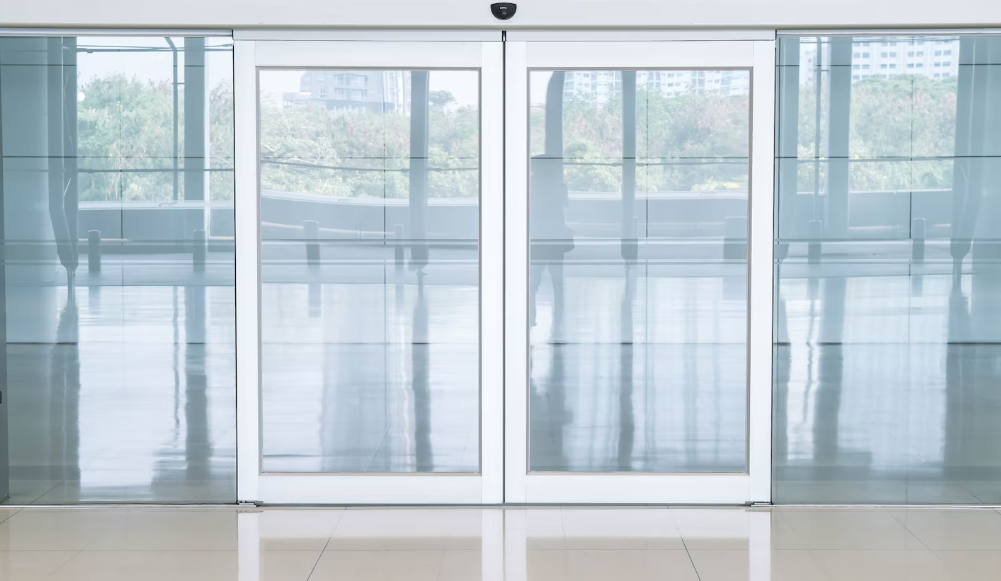
From a security perspective, entrances are never neutral. Every point of entry communicates boundaries, expectations, and control. An Automatic door is often treated as a convenience feature, but in reality, it quietly shapes how secure a building feels and how predictable behavior becomes.
As a security manager, I pay attention to moments when people hesitate, look around, or slow down. These moments often happen at entrances. The way a door opens, pauses, or responds sends immediate signals. Those signals influence whether people move confidently, test boundaries, or feel uncertain.
Security Starts with Predictability
Effective security is rarely loud. It works best when behavior follows predictable patterns. An Automatic door that opens consistently at the right moment reinforces those patterns. People understand where to go and when to proceed without conscious thought.
When a door behaves inconsistently, it introduces ambiguity. Ambiguity invites testing. People pause, step forward, step back, or try to force movement. From a security standpoint, those moments are vulnerabilities, not inconveniences.
Why Hesitation Weakens Boundaries
Boundaries in public and commercial buildings are often psychological before they are physical. A door that responds clearly communicates permission. A door that hesitates sends mixed signals.
Inconsistent behavior encourages people to override systems. They push manually, follow others too closely, or enter spaces they are unsure they should access. These behaviors are rarely malicious, but they erode control over time.
Access Control Is a Behavioral System
Security planning often focuses on hardware—locks, cameras, alarms. Yet access control is ultimately about behavior. How people interpret an entrance determines how well those systems function together.
An Automatic door that integrates smoothly into access protocols reduces the need for intervention. People follow the intended path because it feels natural, not because they are being forced.
Crowded Entrances Increase Risk
During peak periods, entrances become pressure points. Security teams watch these moments closely because confusion escalates quickly in crowds. A delayed or unpredictable door response can trigger congestion or frustration.
When frustration rises, compliance drops. People ignore instructions, bypass controls, or cluster in unsafe ways. A reliable Automatic door reduces these risks by keeping movement smooth and expectations clear.
Why Security Teams Notice Doors First
Security teams are often the first to receive reports about door issues. Not because doors are the most complex systems, but because everyone interacts with them.
When an Automatic door becomes a frequent topic, it usually signals a deeper issue. The system may still function mechanically, but behavior around it has changed.
False Alarms and Real Distractions
Unreliable doors create noise in security operations. Guards are dispatched to investigate issues that are not true threats. Attention shifts away from more critical monitoring.
Over time, this noise reduces sensitivity. Teams become accustomed to door-related alerts, making it harder to distinguish real risks from routine problems.
Invisible Control Is the Strongest Control
The most effective security systems do not draw attention to themselves. An Automatic door that behaves flawlessly supports security by remaining unnoticed.
People comply more naturally when systems feel intuitive. They move where they are supposed to move without questioning or resisting.
Security Decisions Live Longer Than Policies
Security policies change. Personnel rotate. Technology evolves. Physical systems remain. An Automatic door installed today will influence behavior long after procedures have been updated.
This longevity makes early decisions critical. A door chosen without considering behavioral impact can undermine security goals for years.
An Entrance That Supports Authority Without Force
From a security manager’s viewpoint, authority does not need to be aggressive. It needs to be clear. An Automatic door that opens and closes with confidence establishes that clarity.
When entrances behave predictably, security becomes quieter, calmer, and more effective. An Automatic door is not just an entrance—it is a silent partner in every security strategy.